

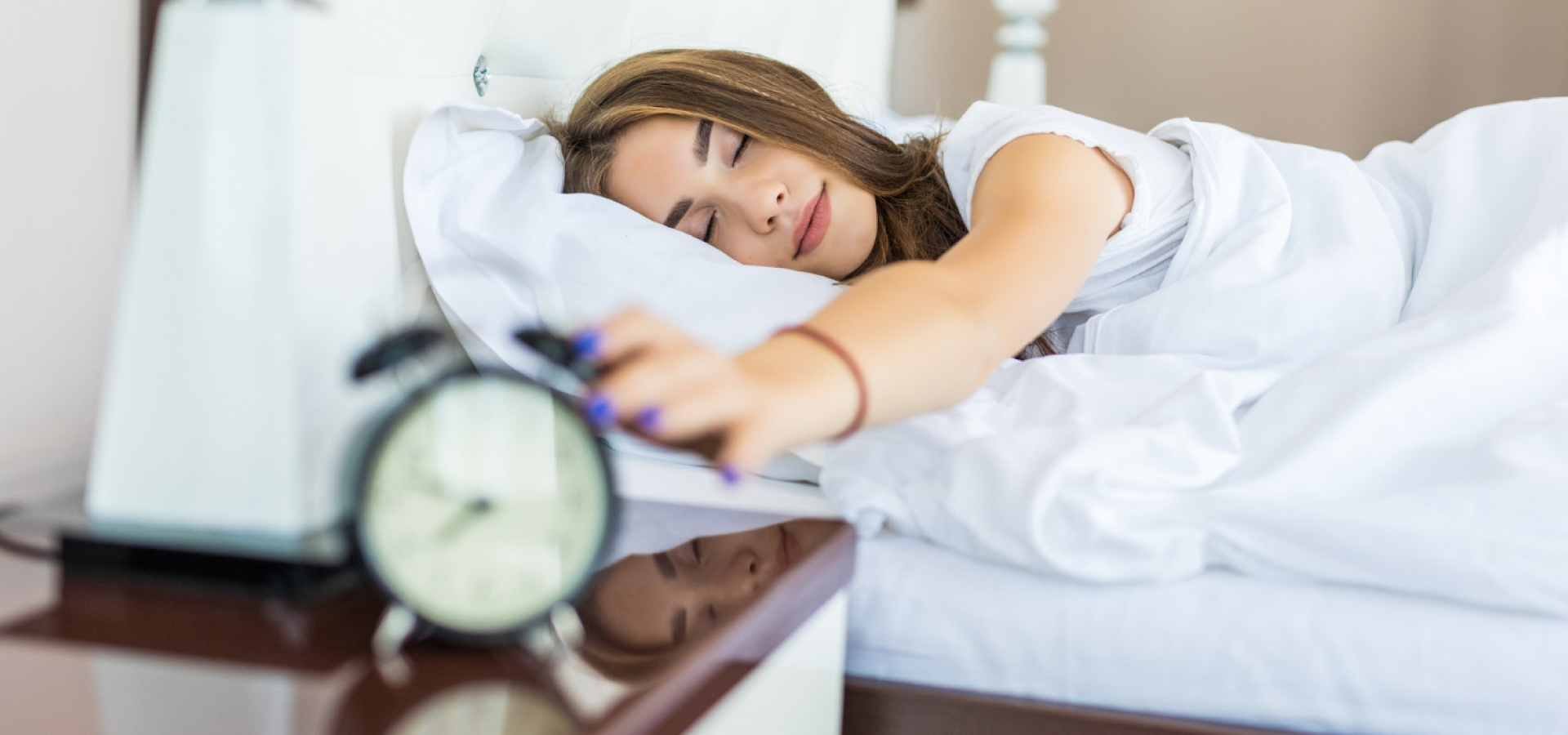

Introduction: The Reason for Energy Dips in People Over 40
Many people experience energy dips, afternoon slumps, and difficulties with sleep in their lives as they get older, especially after the age of 40. To increase energy, enhance focus, and improve overall well-being, it is important to understand the science of light, circadian rhythms, and how they can be improved to increase energy in a person’s life, especially with the use of a light therapy lamp in the morning, blackout curtains, and a sleep tracker to monitor sleep patterns.
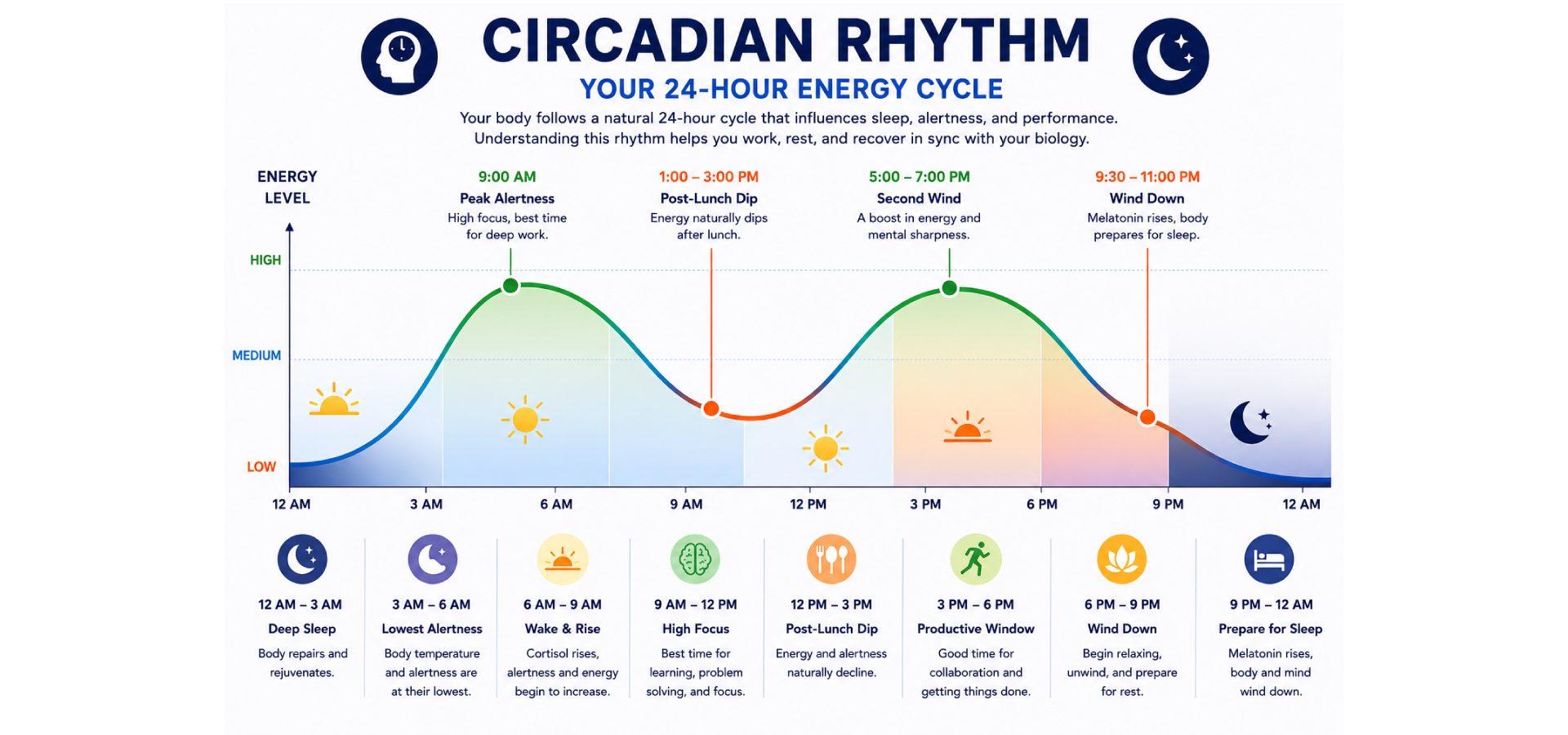
The Science of Circadian Rhythms
Your circadian rhythm is like an internal clock in your body, governing sleep, hormones,
metabolism, and wakefulness. At 40 and beyond, the natural circadian rhythm in our bodies
changes, causing:
- Early evening fatigue
- Difficulty waking up in the morning
- Energy crashes in the afternoons
- Quality sleep issues
Key Insight: Exposure to natural light helps reset the circadian rhythm in our bodies to wake us up in the morning, eat meals, and go to sleep.
Light Exposure: The Energy Switch
The morning light exposure is vital to switch on your body’s cortisol production to help you feel alert.
- Morning Boost: Consider using a light therapy lamp in the morning to help your body
produce cortisol, especially when sunlight is scarce. - Nighttime Protection: Avoid artificial light sources with high intensity at night to
prevent melatonin suppression. - Evening Prep: Consider dimming your lights or using amber-colored bulbs at night to
prepare your body for sleep.
Tip: Pair your light exposure with an energetic walk outside in the morning to boost your circadian benefits!
Optimizing Sleep for Midlife Energy
Sleep quality naturally declines with age due to changes in sleep patterns, stress, and lifestyle factors. If sleep quality is not optimized, it can cause:
- Impaired cognitive function
- Increased afternoon sleepiness
- Hormonal imbalances, affecting metabolism and mood
Ways to optimize sleep for better energy levels:
- Darkness is vital for sleep: Invest in blackout curtains to ensure no early morning light wakes you up.
- Track your sleep: Utilize a sleep tracker app to monitor your sleep patterns.
- Regulate your bedtime: This helps regulate melatonin production.
- Reduce caffeine and blue light: Limit exposure 3-4 hours before bedtime to help regulate sleep patterns.
Synchronizing Your Daily Routine
To maximize vitality, align your habits with your natural clock:
- Morning: Light Exposure + Hydration + Light Exercise
- Midday: Short Breaks to Prevent Energy Crashes
- Afternoon: Brief Exposure to Natural Light to Stay Alert
- Evening: Dim Lighting, Avoid Screens, Prepare Sleep Environment
Mini Case Study: Samantha, 46
Samantha was experiencing afternoon fatigue and early evening somnolence. By using a light therapy lamp in the morning, blackout curtains, and a sleep tracker, her condition improved significantly. Morning alertness improved by 30%, and her nighttime sleep improved by 25%.
Tools and Environment Enhancements
- Light therapy lamps: Use them for morning wake-up energy and mood.
- Blackout curtains: Use them to optimize darkness for better melatonin and deeper sleep.
- Sleep trackers: Use them to monitor your sleep and identify areas for improvement.
Key Takeaways
- Biology: Your circadian rhythm changes after age 40, impacting energy and sleep.
- Control: Controlling light exposure increases energy and maintains healthy hormonal cycles.
- Morning Tools: Light therapy lamps help reset your body clock when sunlight is limited.
- Sleep Optimization: Blackout curtains and consistent routines are essential for quality rest.
- Data: Tracking your sleep identifies specific areas for improvement.
- Alignment: Synchronizing routines with your circadian rhythm maximizes focus and vitality.