

Introduction: Why Power Naps Matter After 40
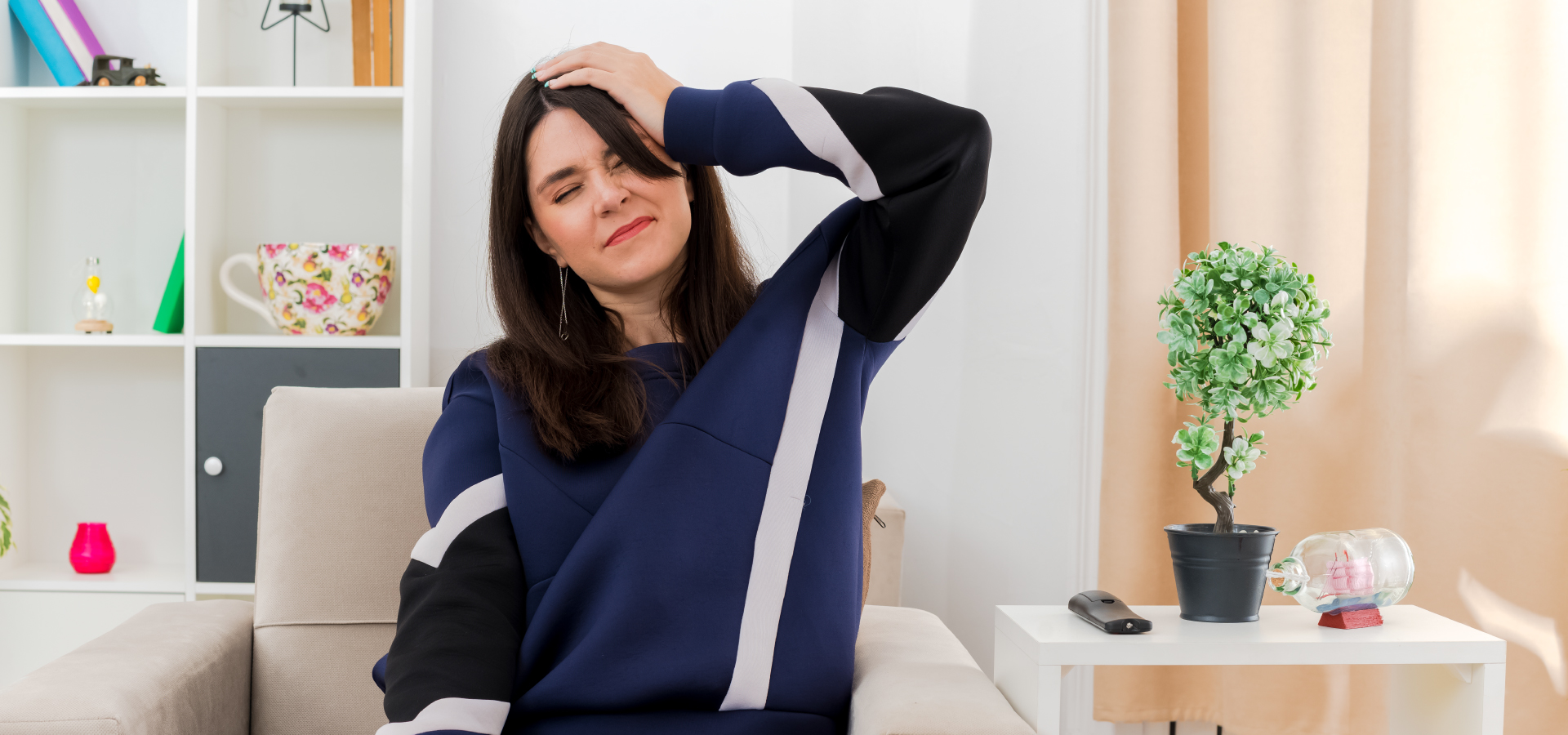
Do you often feel lethargic in the afternoons after lunch? Are you unable to stay focused in the afternoons?
Power naps are scientifically proven to increase energy, memory, and mood. Unlike regular naps, which leave you feeling drowsy, power naps are strategic naps designed to revive your mind and body in no time. In this article, we delve into power naps and how you can use them in your after-40 years. In this piece, we also look at power nap aids such as sleep masks and white noise machines.
The Science Behind Power Naps
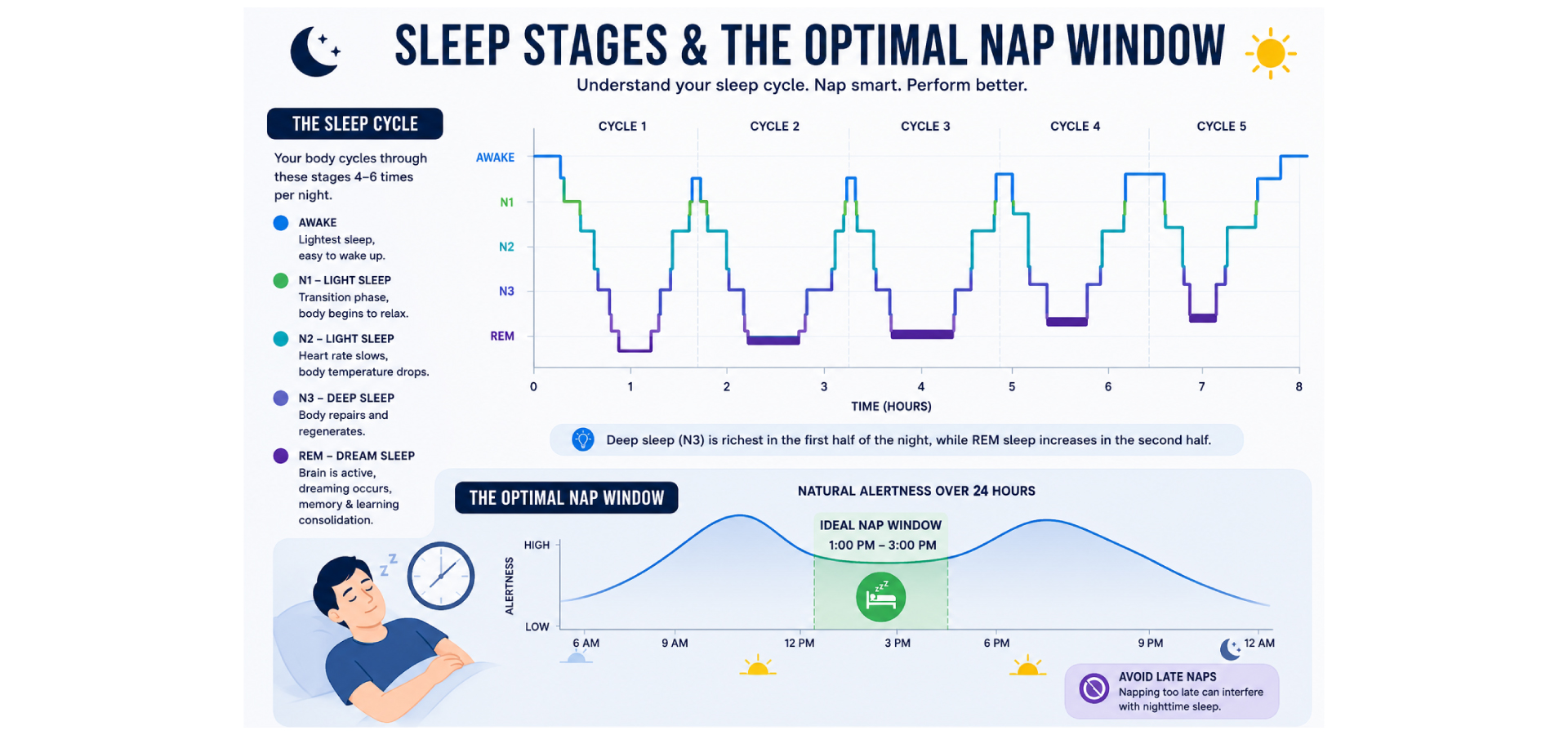
Scientific studies have revealed that a power nap lasting from 10 to 30 minutes is capable of enhancing alertness, cognitive ability, and memory retention. A power nap induces stages 1 and 2 of sleep, which rejuvenate and revitalize the brain without resulting in sleep inertia.
The advantages of power napping are many and include:
- Increased mental clarity and focus
- Reduced stress and improved mood
- Increased energy for the rest of the day
- Cardiovascular and hormonal benefits
Optimal Nap Duration and Timing
The optimal power naps are in the middle of the afternoon, between 1 PM and 3 PM. Naps should be between 10 and 30 minutes long in order to prevent grogginess.
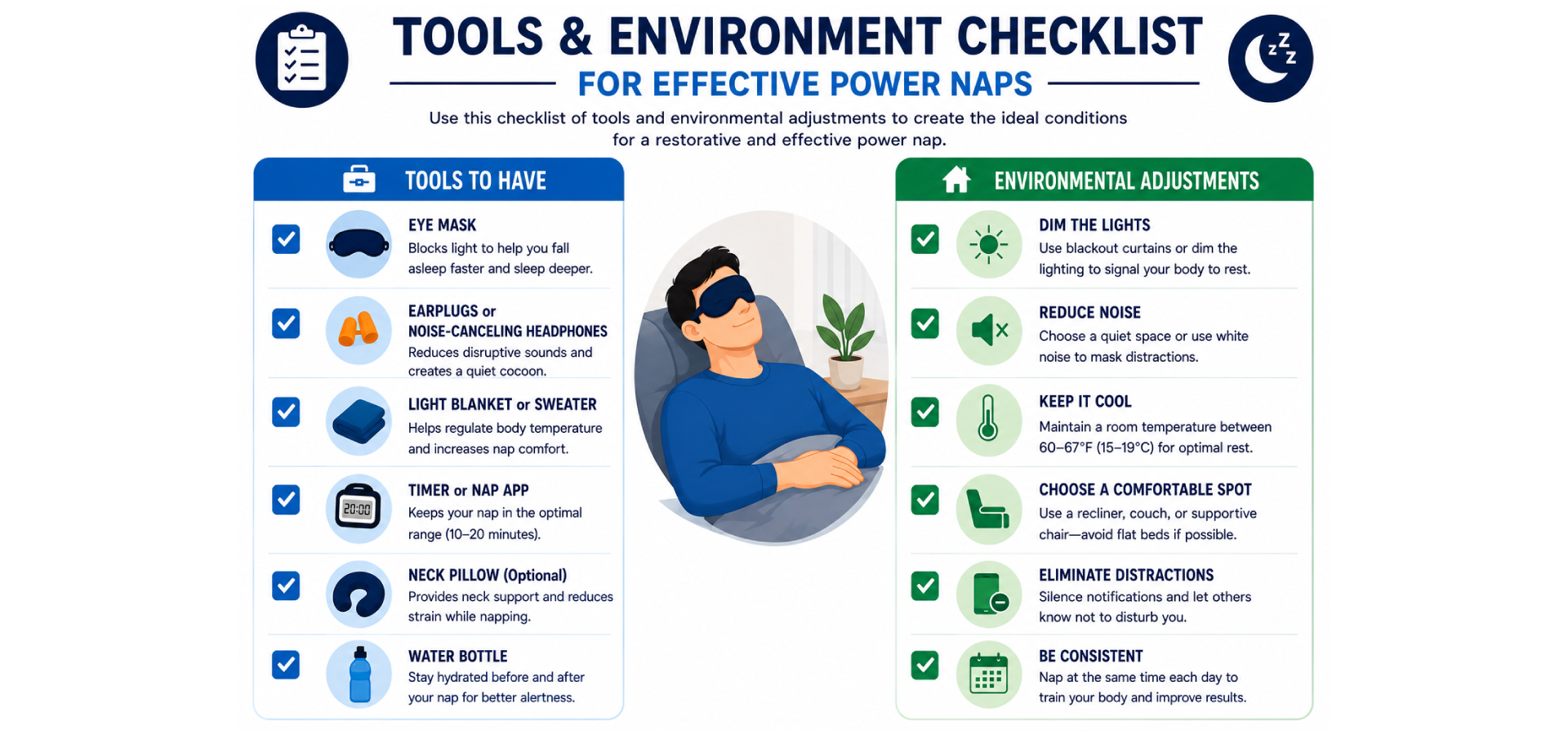
Tips for maximizing your nap:
1. Darkness: Wear a sleep mask in order to ensure darkness. Darkness stimulates melatonin production.
2. Noise: White noise is used in a white noise machine in order to prevent any interruptions.
3. Comfort: Use a memory foam pillow in order to relax.
4. Timer: Use a nap timer in order to wake up feeling refreshed.
Power Nap Techniques for Midlife Adults
1. The Micro Nap (10-15 minutes)
• Great for an energy and attention boost.
• Take advantage of your nap mask and white noise machine to reduce any distractions.
2. The Classic Power Nap (20-30 minutes)
• This type of nap is good for improving memory, creativity, and cognitive performance.
• Take this type of nap before any important meetings and mentally challenging tasks.
3. The Recovery Nap (30-45 minutes)
• A bit longer than the first two naps, good for recovery and stress relief.
• Avoid this type of nap if you have difficulty sleeping at night.
Real-Life Example: Alex, 45
Alex, a 45-year-old executive, was experiencing fatigue and lapses in concentration in the afternoons. With the use of short naps in the middle of the day, a sleep mask, memory foam pillow, and white noise machine, he was able to observe the following benefits:
- 25% increase in energy levels in the afternoons
- Sustained concentration in late-afternoon meetings
- Reduced irritability and stress levels
He also used a nap timer to avoid sleeping longer than desired. In just two weeks, his productivity increased considerably.
Tips for Consistent Midlife Napping
Schedule your nap: This helps create a routine.
Optimize your environment: Napping in dark, quiet, and comfortable spaces helps improve the quality of your sleep.
Track outcomes: This helps monitor your energy levels, concentration, and moods before and after napping.
Combine with your lifestyle habits: This helps improve your energy levels, concentration, and moods.
Key Takeaways
- Strategic Napping: Increases energy levels, concentration, and mental clarity in midlife
adults. - The "Sweet Spot": Optimal duration is 10 to 30 minutes in the mid-afternoon.
- Essential Tools: Sleep masks, white noise machines, memory foam pillows, and nap
timers improve quality and consistency. - Mental Benefits: Napping relieves stress, elevates moods, and aids in memory
consolidation. - Long-Term Gains: Consistency increases productivity, recovery, and overall vitality.